

Chapter 7 vs. Chapter 13 Bankruptcy: Which Is Right for You?
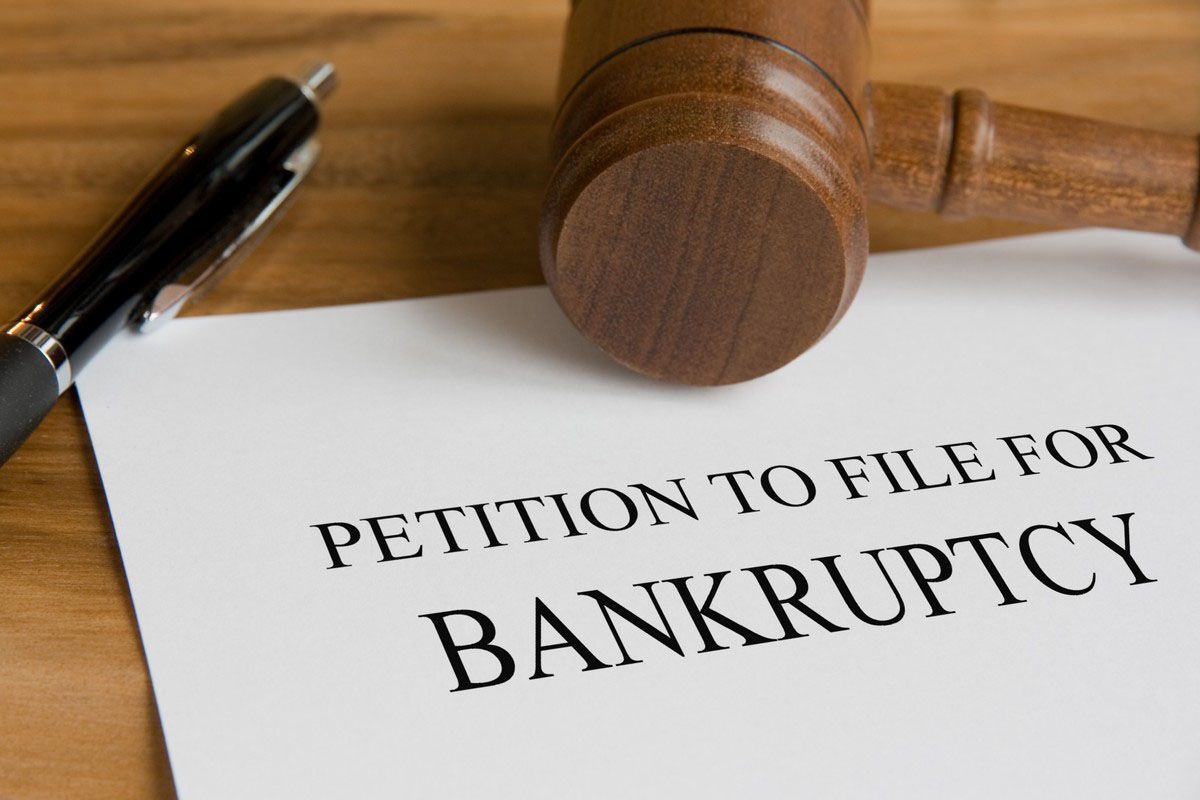
Filing for bankruptcy can be a complicated and stressful process, especially when trying to determine which type best fits your financial situation. Among the several types of bankruptcy available, two forms stand out for consumers: Chapter 7 and Chapter 13. Although both aim to provide relief from insurmountable debt, the paths they take to achieve this are distinctly different. Experienced bankruptcy lawyers can guide you through this process and help identify the best option based on your financial circumstances.
Chapter 7 Bankruptcy Overview
Chapter 7 bankruptcy, often referred to as liquidation bankruptcy, involves the selling of a debtor's non-exempt assets. The primary objective is to distribute the proceeds to creditors, thereby wiping the debtor's slate clean of most unsecured debts. This process is typically faster than Chapter 13, often concluding within three to four months. However, not everyone qualifies for Chapter 7, as strict income eligibility criteria must be met, generally favoring individuals with lower disposable incomes.
Chapter 13 Bankruptcy Overview
On the other hand, Chapter 13 bankruptcy, known as reorganization bankruptcy, allows debtors to keep their assets while restructuring their debt. According to Experian, there are several types of bankruptcy, but the two most common types used by consumers are Chapter 7 and Chapter 13. This option is often more suitable for individuals with a regular income who can afford monthly payments while seeking relief from overwhelming debts. It is important to note that Chapter 13 is more complex than Chapter 7, demanding a long-term commitment to adhering to the court-approved repayment plan. Working with experienced bankruptcy lawyers can simplify this process and help you stay compliant throughout your repayment period.
Credit Impact and Key Differences Between Chapter 7 and Chapter 13
A significant difference between the two chapters lies in the impact on credit scores. Typically, Chapter 7 bankruptcy stays on a credit report for ten years, while Chapter 13 is removed after seven years. Given this, individuals concerned about long-term credit implications may prefer Chapter 13 for its shorter-lasting effects on their credit history.
Understanding the differences between Chapter 7 and Chapter 13 bankruptcies is crucial for individuals seeking financial relief. While Chapter 7 offers a quicker discharge of debts, Chapter 13 provides an opportunity to maintain properties and repay creditors over time. Both have distinct advantages and limitations that should be carefully weighed in light of one’s financial situation.
Consulting with a financial advisor or bankruptcy attorney — or better yet, an experienced bankruptcy lawyer — is advisable to determine which chapter aligns best with your long-term financial goals and legal eligibility. Take the first step toward financial relief — contact Anderson Law Office today and let us guide you through the bankruptcy process with confidence.


Share On: